
What Makes Hydroponic Nutrients Different from Soil
If you’ve ever wondered why plants can grow perfectly well without soil, you’re about to find out! When it comes to Mastering Hydroponic Nutrient Solution Basics, the secret lies in understanding how hydroponic nutrients work differently from traditional soil-based nutrition. In soil gardening, plants get their nutrients from minerals and organic matter in the ground. But in hydroponics, plants get a carefully crafted nutrient solution mixed directly into water—kind of like a smoothie packed with everything they need to thrive.
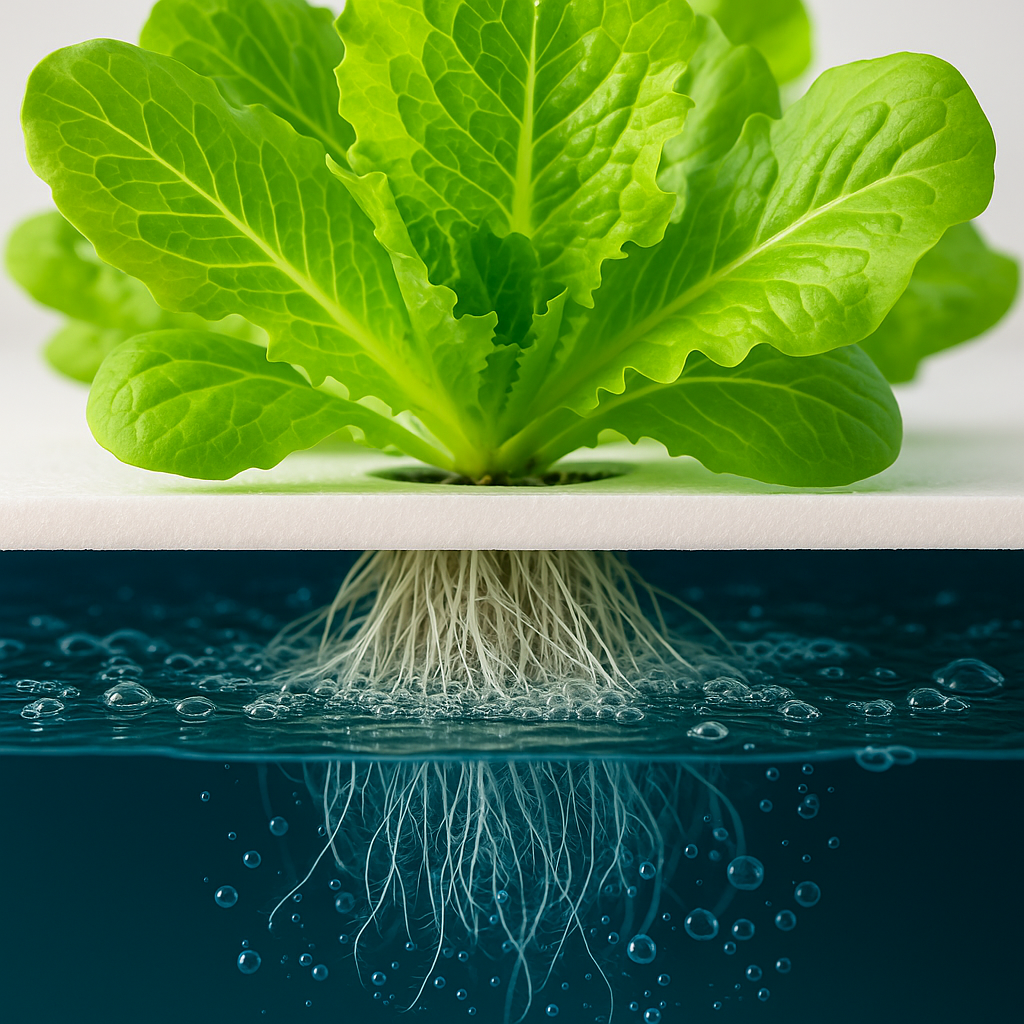
Soil vs. Solution: How Plants Get Their Food
In a soil garden, nature does most of the work for you. The soil acts like a pantry full of nutrients, microorganisms, and organic matter that slowly release minerals into the plant’s roots. However, the exact composition of soil nutrients can vary widely, depending on location, weather, and fertilizer use. That means plants sometimes get too little or too much of certain nutrients, which can affect growth and yield.
In hydroponics, it’s a completely different story. There’s no soil buffer to rely on, so you’re in full control. The hydroponic nutrient solution delivers precise amounts of essential elements like nitrogen, phosphorus, potassium, calcium, and magnesium straight to the roots. Instead of waiting for soil microbes to do their job, plants can absorb these nutrients instantly through water. It’s like giving them a fast pass to the food line—no waiting required!
You don’t have to guess what your plants are eating. Every milliliter of nutrient mix is measured and mixed with intention, creating the perfect recipe for growth. That’s why hydroponic systems often produce faster growth and bigger yields than traditional gardening. You’re essentially giving your plants VIP treatment.
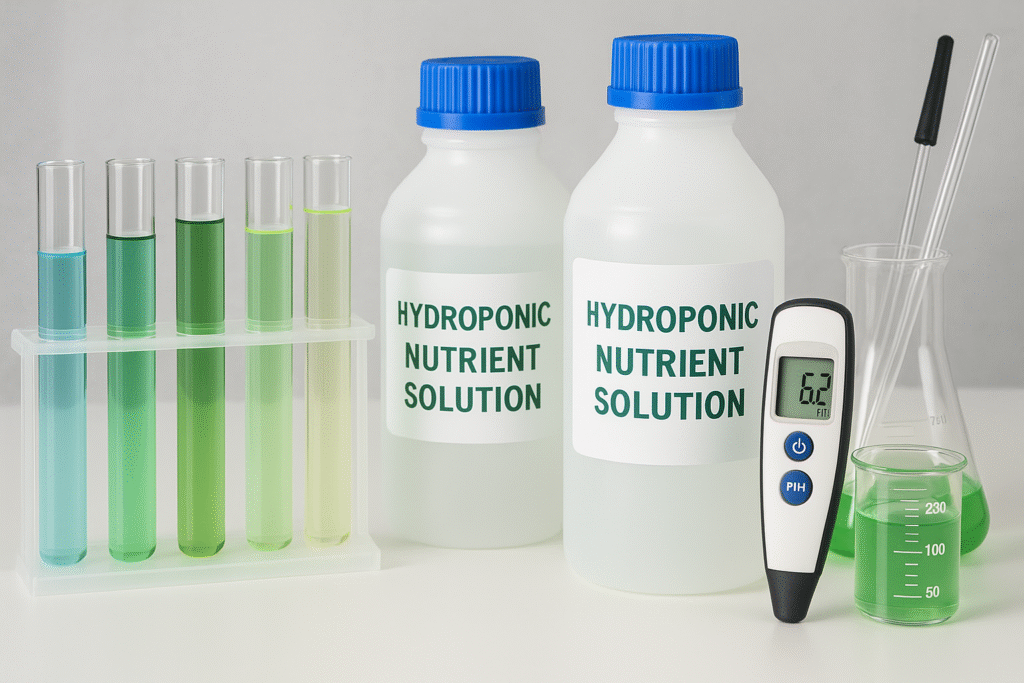
The Power of Precision Feeding
One of the most exciting parts of Mastering Hydroponic Nutrient Solution Basics is realizing how much control you have over the feeding process. In soil, you can’t always tell whether plants are getting the right nutrient balance. Maybe the soil’s pH is off, or maybe the fertilizer you used didn’t fully dissolve. Either way, your plants are left guessing.
Hydroponics removes the mystery. Every drop of nutrient solution contains a balanced ratio of minerals designed to meet your plants’ needs at each stage of growth. Want to grow lush green leaves? Increase the nitrogen. Looking for more flowers or fruits? Adjust the phosphorus and potassium. It’s almost like customizing a meal plan for each plant type.
Even better, hydroponic nutrients are available in liquid or powder form, which makes them easy to measure and mix. Once you dissolve them in water, the plants can absorb the nutrients directly through their roots—no detours, no waiting for nature to catch up. This efficiency not only boosts plant growth but also saves water and reduces waste.
Another big difference is the pH balance. Soil naturally buffers small pH changes, but hydroponic systems don’t. That means you’ll need to check and adjust your solution’s pH regularly—usually keeping it between 5.5 and 6.5. Doing so ensures your plants can take in all those valuable nutrients without any blockages. Think of pH as the key that unlocks the plant’s dinner plate.
Cleaner, Faster, and More Sustainable
Here’s where hydroponics really shines. With soil, there’s always a risk of pests, weeds, or diseases that can hide in the dirt. You might spend hours dealing with root rot or trying to fix nutrient deficiencies caused by poor soil quality. Hydroponics, on the other hand, is a clean, controlled environment. Since there’s no soil, there are fewer pests, fewer weeds, and no soil-borne diseases to worry about.
This cleaner setup allows plants to focus all their energy on growth instead of survival. And because the nutrient solution recirculates in most hydroponic systems, nothing goes to waste. You use less water and fertilizer compared to traditional soil gardening, making it an eco-friendly way to grow fresh food year-round.
Imagine being able to grow juicy tomatoes or crisp lettuce indoors—even when it’s snowing outside. That’s the magic of hydroponics. By mastering the hydroponic nutrient solution basics, you can control every aspect of your plants’ diet, environment, and growth rate without worrying about the unpredictable nature of soil.
A World Beyond Soil
When you step into the world of hydroponics, you’re not just gardening—you’re experimenting with science and sustainability. You’re learning how to feed plants exactly what they need, when they need it. Unlike soil gardening, where nutrients can get lost or locked away, hydroponic nutrients are always available and perfectly balanced.
In the end, the biggest difference between hydroponic and soil nutrients comes down to control and efficiency. With hydroponics, you don’t depend on nature to do the work—you become nature itself. You’re giving your plants a controlled diet, consistent care, and a perfectly balanced environment where they can reach their full potential.
So, if you’re ready to take your growing skills to the next level, start by mastering hydroponic nutrient solution basics. It’s not just about growing plants—it’s about growing smarter, cleaner, and greener. The best part? You’ll see the results faster than you ever imagined.
Know more hydroponic grow kits click here:
Choosing the right nutrient makes all the difference in your hydroponic success. Whether you’re just starting out or upgrading your setup, these top hydroponic nutrients will keep your plants healthy, strong, and full of life.
Start your hydroponic journey today and grow smarter with Hydrositi —
“Make a green future tomorrow together.”