
What Is Hydroponics? A Complete Beginner’s Guide to Growing Plants Without Soil
Hydroponics is a modern method of growing plants without soil. Instead of getting nutrients from soil, plants receive the water, oxygen, and essential nutrients they need directly through a nutrient-rich water solution. This makes hydroponic gardening an efficient way to grow fresh vegetables, herbs, and other plants in homes, greenhouses, farms, and small spaces.
As interest in sustainable farming and home gardening continues to grow, hydroponics is becoming an increasingly popular alternative to traditional soil-based gardening.
What Is Hydroponics?
Hydroponics is a plant-growing system in which the roots are supported without traditional soil while receiving the necessary nutrients through water.
In a conventional garden, plant roots take nutrients and water from the soil. In a hydroponic system, growers provide these nutrients directly to the roots through a carefully prepared nutrient solution.
Depending on the system, plant roots may grow directly in water or inside a growing medium such as:
- Coco coir
- Rockwool
- Clay pebbles
- Perlite
- Vermiculite
- Peat-free growing mixes
The main idea is simple: give plants the right water, nutrients, oxygen, light, temperature, and growing environment without relying on soil.
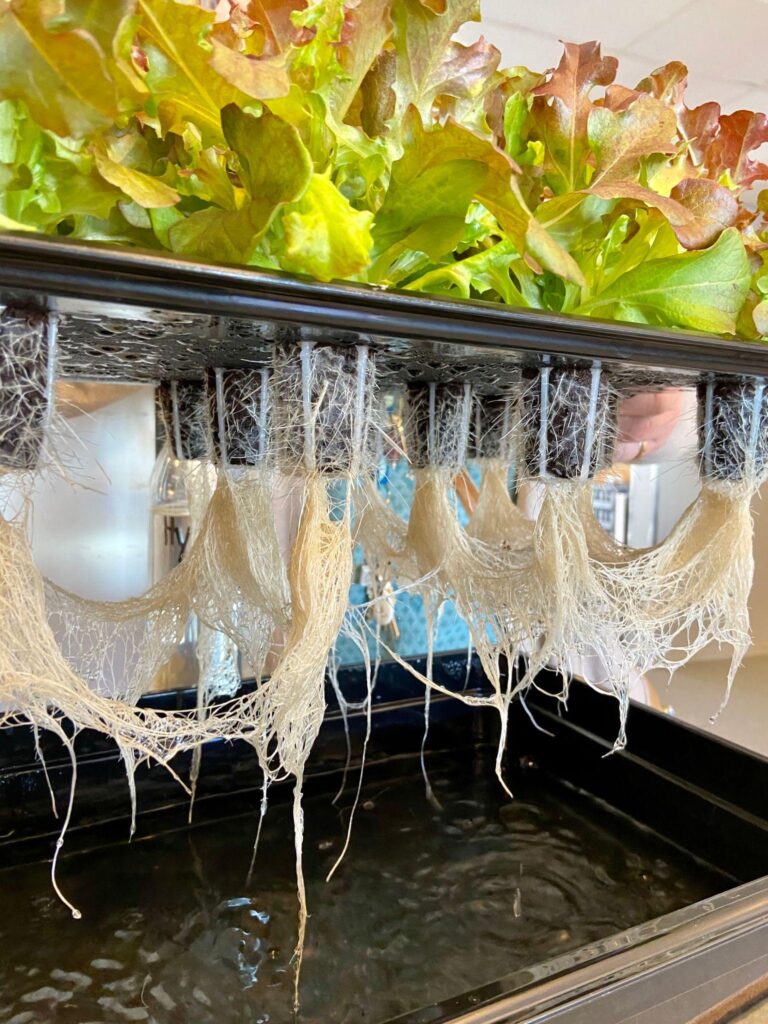
How Does Hydroponics Work?
A hydroponic system normally consists of several important components.
1. Water
Water is the foundation of hydroponic growing. It carries dissolved nutrients to the plant roots.
Water quality is important because unsuitable water can contain excessive minerals or contaminants that affect plant growth.
2. Nutrients
Plants need essential nutrients to grow. These include macronutrients such as nitrogen, phosphorus, and potassium, as well as smaller amounts of micronutrients such as iron, calcium, magnesium, and zinc.
Hydroponic growers mix nutrients into water according to the requirements of the plants.
3. Oxygen
Plant roots need oxygen for healthy growth. Although plants need water, completely stagnant or poorly oxygenated water can damage roots.
Many hydroponic systems use air pumps, air stones, water movement, or specially designed channels to provide adequate oxygen.
4. Light
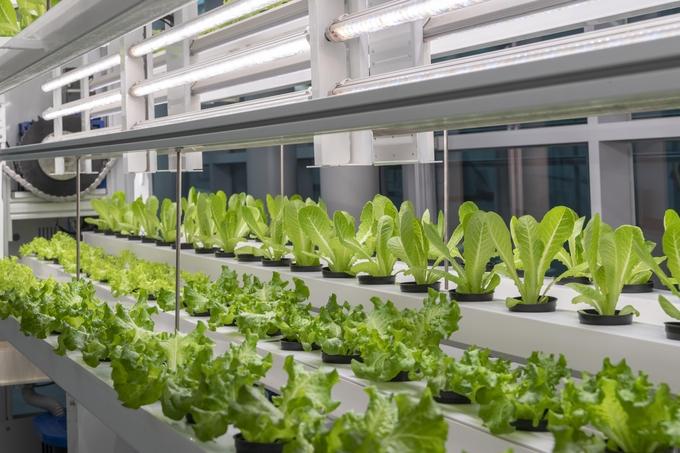
Plants need light for photosynthesis. Outdoor hydroponic systems can use sunlight, while indoor systems often use LED grow lights.
The amount and duration of light depend on the type of plant being grown.
5. Growing Medium
Some hydroponic systems use a growing medium to support the plant. The medium does not provide the same nutritional role as soil. Instead, it mainly provides physical support and helps manage moisture and air around the roots.
Why Do People Use Hydroponics?
Hydroponics offers several advantages compared with traditional gardening.
Efficient Use of Water
Hydroponic systems can recycle and reuse water, particularly in recirculating systems. Because water is delivered directly to the root zone, less water may be lost compared with some traditional growing methods.
The actual water savings depend on the system, climate, crop, and management practices.
Faster Plant Growth
When plants receive appropriate nutrients, water, oxygen, light, and environmental conditions, they can grow efficiently.
However, hydroponics does not automatically make every plant grow faster. Good management is essential.
Suitable for Small Spaces
Hydroponics can be used in locations where traditional gardening is difficult.
For example, systems can be installed in:
- Balconies
- Rooftops
- Indoor rooms
- Greenhouses
- Small gardens
- Urban areas
Vertical hydroponic systems can also make better use of limited space.
Better Control Over Growing Conditions
One of the biggest benefits of hydroponics is control.
Growers can monitor factors such as:
- pH
- Nutrient concentration
- Water temperature
- Lighting
- Humidity
- Air temperature
- Root-zone oxygen
This level of control can help growers create a more consistent growing environment.
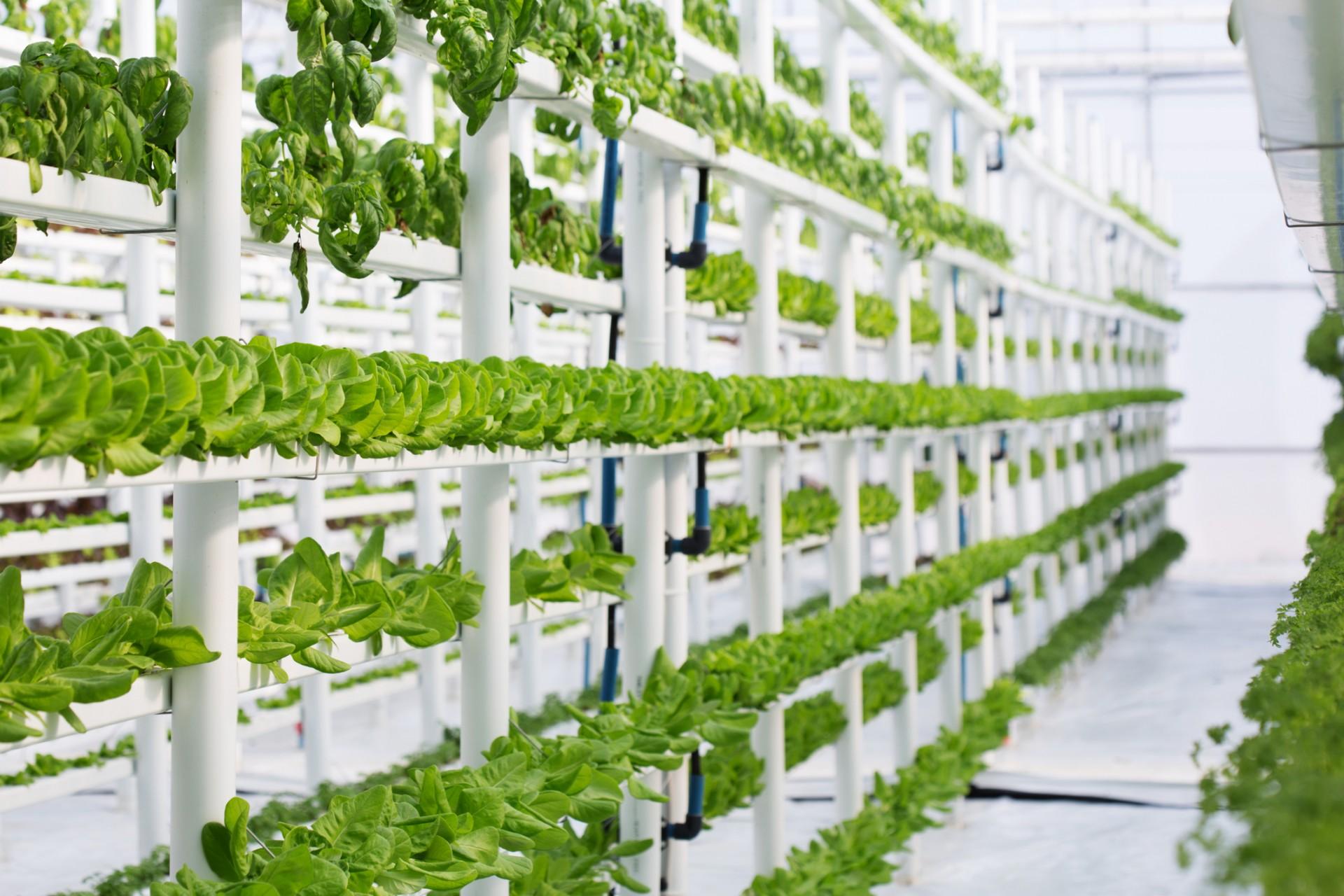
Common Types of Hydroponic Systems
There is no single hydroponic system. Different systems deliver water and nutrients to plant roots in different ways.
Deep Water Culture (DWC)
In Deep Water Culture, plant roots are suspended in a nutrient solution. An air pump and air stone are commonly used to add oxygen to the water.
DWC is relatively simple and is often suitable for beginners.
Nutrient Film Technique (NFT)
NFT systems continuously circulate a thin film of nutrient solution through growing channels.
Plant roots receive nutrients and water while also having access to oxygen.
NFT is commonly used for leafy greens and herbs.
Drip Hydroponics
Drip systems deliver nutrient solution to plants through small tubes or emitters.
They can be designed for individual plants and are widely used in both small and commercial growing systems.
Ebb and Flow
Also called a flood-and-drain system, this method periodically floods the growing area with nutrient solution and then drains it back into a reservoir.
The repeated cycle provides plants with water and nutrients while helping maintain oxygen around the roots.
Wick System
A wick system uses a wick to move nutrient solution from a reservoir toward the growing medium.
It is one of the simpler hydroponic methods, although it may not be suitable for large or high-demand plants.
Aeroponics
Aeroponic systems suspend plant roots in air and deliver nutrients as a fine mist.
This method can provide excellent oxygen exposure to roots but generally requires more precise management and reliable equipment.
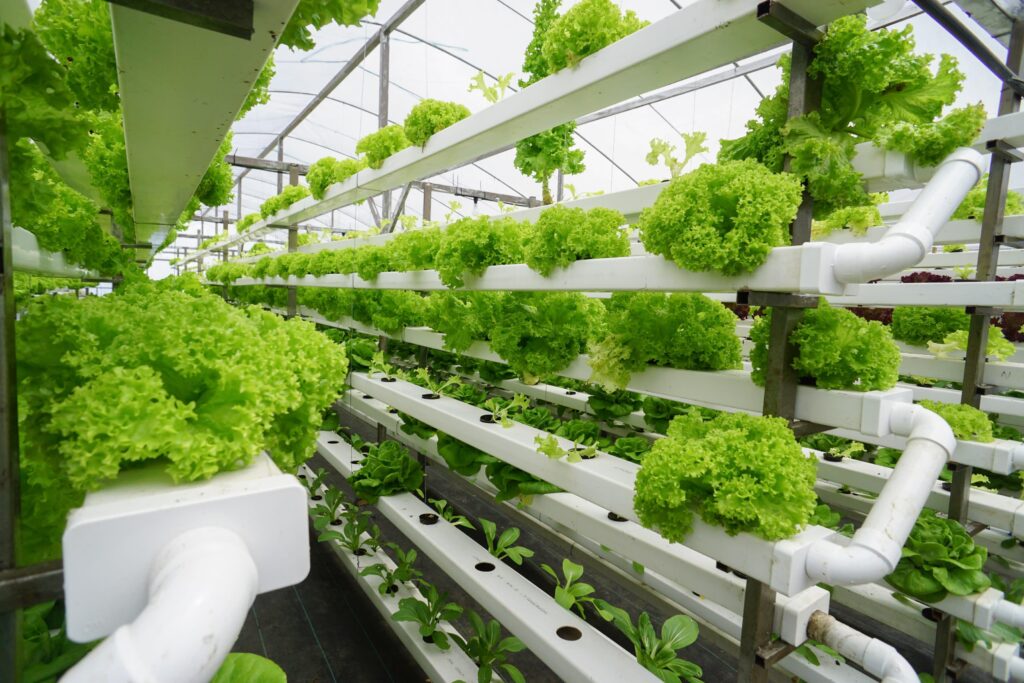
What Plants Can Be Grown Hydroponically?
Many plants can be grown using hydroponic methods.
Popular choices include:
- Lettuce
- Spinach
- Kale
- Basil
- Mint
- Coriander
- Tomatoes
- Cucumbers
- Peppers
- Strawberries
Leafy greens and herbs are often good choices for beginners because they can have relatively simple nutrient and environmental requirements.
Is Hydroponics Organic?
This question can be confusing.
Hydroponic growing and organic agriculture are not exactly the same concept. Hydroponics describes how plants are grown, while organic refers to specific agricultural standards and production practices.
Whether a hydroponic product can be legally labeled “organic” depends on the country and the applicable certification rules.
Therefore, it is better not to automatically describe every hydroponic crop as organic.
Does Use Chemicals?
Hydroponic plants require nutrients, and commercial nutrient solutions contain mineral elements that plants need.
The word “chemical” can sometimes create confusion. Everything around us is made of chemicals, including water and nutrients. The important issue is which substances are used, their concentration, and how safely the system is managed.
Responsible hydroponic growing focuses on providing plants with the correct nutrients at appropriate concentrations.
Hydroponics vs. Traditional Soil Gardening
The biggest difference is where plants obtain their water and nutrients.
| Feature | Hydroponics | Soil Gardening |
|---|---|---|
| Growing medium | Water and/or inert medium | Soil |
| Nutrient delivery | Directly through nutrient solution | Through soil |
| Water control | High | Moderate |
| Space efficiency | Often high | Depends on available land |
| pH monitoring | Usually important | Important |
| Initial setup | Can be higher | Often lower |
| Learning curve | Requires system knowledge | Familiar to most gardeners |
| Automation | Easy to integrate | Possible but different |
Neither method is universally better. The best choice depends on your space, budget, crops, climate, experience, and goals.
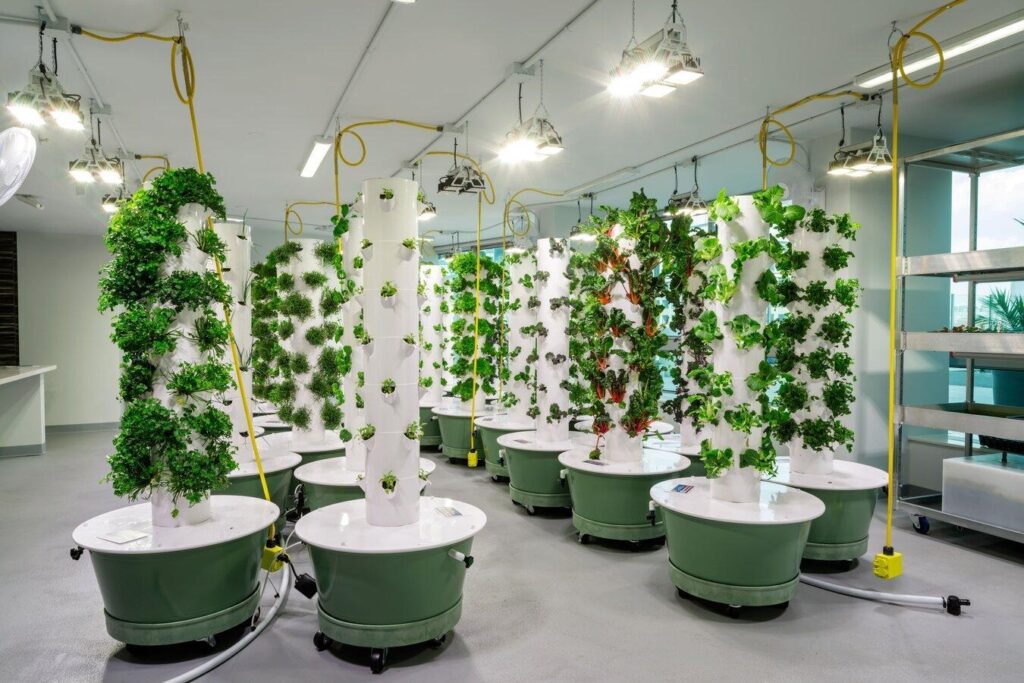
What Do Beginners Need to Start ?
A beginner does not need a large commercial farm to start.
A basic setup may include:
- A suitable hydroponic container or system
- A reservoir
- A water pump, depending on the system
- An air pump and air stone for systems that require additional aeration
- Hydroponic nutrients
- A growing medium
- Net pots or plant supports
- Suitable seeds or seedlings
- A pH testing method
- Appropriate lighting if growing indoors
Starting with a small system allows beginners to understand how plants respond to water, nutrients, light, and environmental conditions before investing in a larger setup.
Important Factors to Monitor
Successful hydroponic growing requires regular observation.
pH
pH affects how easily plants can absorb nutrients. Different crops have different preferred ranges, so growers should follow crop-specific recommendations rather than assuming one value works for everything.
EC or Nutrient Strength
Electrical conductivity (EC) is commonly used to estimate the concentration of dissolved nutrients in hydroponic water.
Too little nutrient concentration can limit plant growth, while excessive concentration can stress plants.
Water Temperature
Very warm water can reduce dissolved oxygen and encourage root problems. Keeping the root environment within a suitable temperature range is therefore important.
Light
Insufficient light can result in weak or slow-growing plants. Indoor growers need to choose appropriate grow lights and provide a suitable light schedule.
Cleanliness
Keeping reservoirs, pipes, channels, and equipment clean helps reduce the risk of algae, clogged components, and root-related problems.
Common Hydroponic Mistakes Beginners Make
Hydroponics can be easy to start but still requires attention.
Common mistakes include:
- Adding too much fertilizer
- Ignoring pH
- Using poor-quality water
- Providing insufficient oxygen
- Overwatering seedlings
- Using inadequate lighting
- Allowing excessive heat
- Ignoring root health
- Failing to clean the system
- Starting with too many plants
The best approach is to begin with a simple system, learn the fundamentals, and gradually improve your setup.
Is Hydroponics Difficult?
Hydroponics may look complicated at first, but the basic concept is straightforward.
Plants need water, nutrients, oxygen, light, carbon dioxide, and a suitable environment. Hydroponic systems simply provide these requirements in a controlled way without relying on traditional soil.
Beginners should focus on understanding the fundamentals rather than purchasing expensive equipment immediately.
The Future of Hydroponic Farming
Hydroponics is becoming increasingly connected with technology.
Modern systems can use:
- Automatic nutrient dosing
- pH monitoring
- EC monitoring
- Water-level sensors
- Temperature sensors
- LED lighting
- Timers
- Automated irrigation
- Smartphone monitoring
- Smart farming controllers
These technologies can reduce manual work and help growers monitor their plants more accurately.
Hydroponics can also play a role in urban agriculture, controlled-environment farming, and food production in locations where land or water availability is limited.
Final Thoughts
Hydroponics is more than simply growing plants in water. It is a controlled growing method that allows growers to manage the plant’s root environment, nutrients, water, oxygen, and other important conditions.
For beginners, the best way to learn is to start small, choose an appropriate crop, understand pH and nutrient management, and observe how plants respond to changes in their environment.
Whether you want to grow fresh herbs on a balcony, create an indoor garden, or learn about modern commercial agriculture, hydroponics provides an interesting and practical introduction to modern plant production.