
Faster Growth Can Change Everything
When comparing Hydroponic Technology Systems vs Soil Gardening, growth speed is often the first thing growers notice. Plants need water, nutrients, oxygen, and light to grow well. In soil gardens, roots spend time searching for nutrients. This natural process works, but it can slow growth.
Hydroponic systems take a different approach. Nutrients are delivered directly to plant roots through water. Plants do not need to work as hard to find what they need. As a result, they can focus more energy on growing leaves, stems, and fruits.
You may notice faster development within a few weeks. Many leafy greens reach harvest sooner than soil-grown crops. This is especially useful when you want fresh produce quickly. Faster harvests can also mean more growing cycles throughout the year.
Another advantage is consistency. Soil quality can vary from one area to another. Hydroponic systems provide a controlled environment where nutrients remain available. This steady supply often supports stronger and more predictable growth.
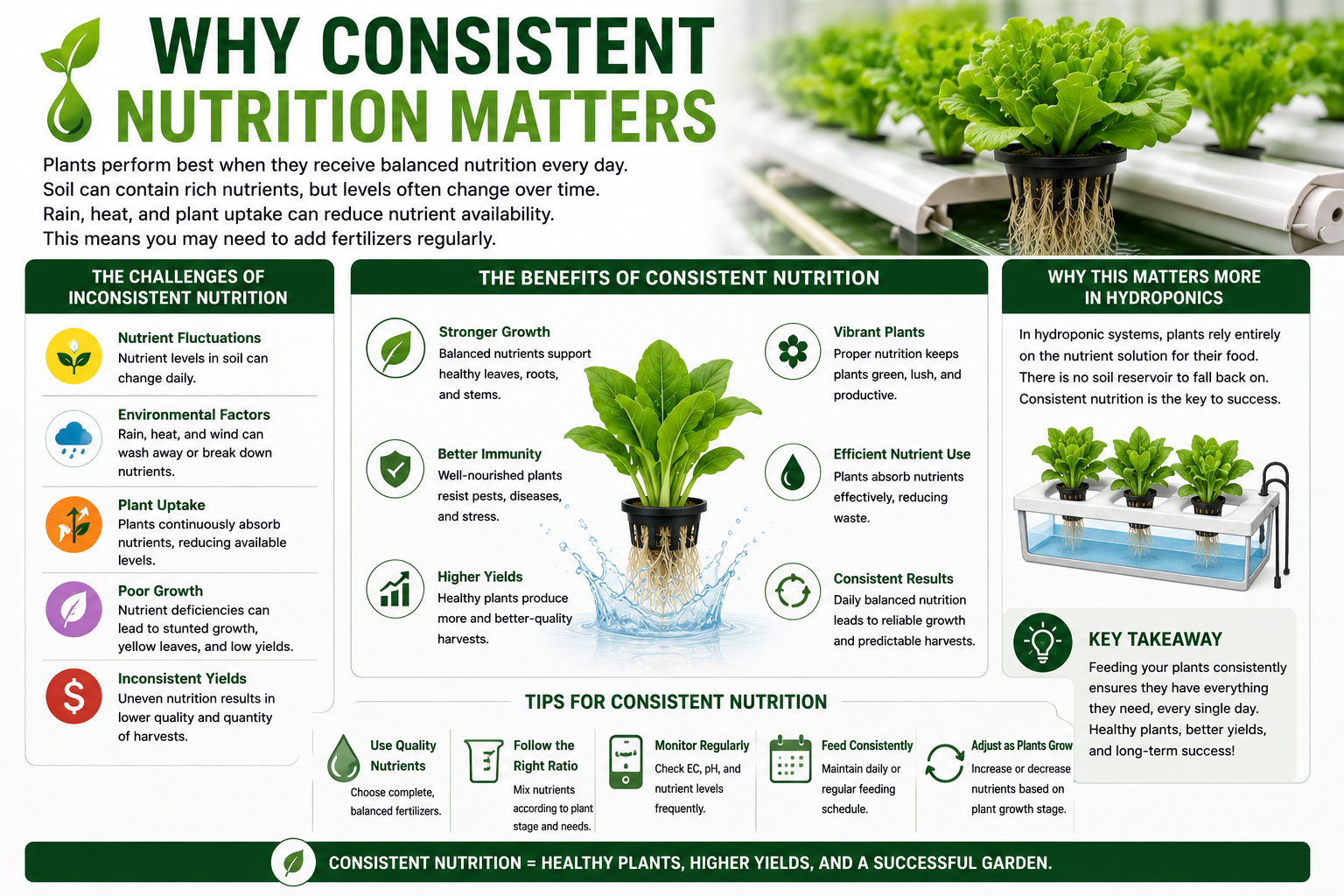
Why Consistent Nutrition Matters
Plants perform best when they receive balanced nutrition every day. Soil can contain rich nutrients, but levels often change over time. Rain, heat, and plant uptake can reduce nutrient availability. This means you may need to add fertilizers regularly.
Hydroponic growers can adjust nutrient levels with precision. This control helps plants avoid common nutrient deficiencies. Healthy plants usually grow faster and produce better yields.
Of course, growth speed also depends on crop type and care. However, many growers choose hydroponics because of its impressive growth potential. If quick harvests matter to you, hydroponics often has a clear advantage.
Using Less Water Than You Think
Water conservation has become important for gardeners everywhere. One surprising fact about hydroponics is its efficient water use. Many people assume water-based growing requires large amounts of water. In reality, hydroponic systems often use less water than traditional gardens.
In soil gardening, a portion of water evaporates into the air. Some water drains beyond the root zone. Plants only use part of what is applied. Over time, this can lead to significant water waste.
Hydroponic systems recirculate water through the growing setup. Unused water returns to the reservoir and is reused. This process helps reduce waste while keeping roots hydrated.
If you live in a dry region, this benefit can be especially valuable. You can grow healthy crops without constantly watering large garden beds. Many growers appreciate the balance between productivity and conservation.
Smart Water Management
Hydroponic systems allow you to monitor water levels easily. You know exactly how much water plants receive each day. This level of control can help prevent overwatering and underwatering.
Soil gardens still have advantages in certain climates. Natural rainfall can reduce watering needs. However, changing weather patterns often create uncertainty. Hydroponic systems provide a more predictable approach.
When discussing Hydroponic Technology Systems vs Soil Gardening, water efficiency remains one of the strongest points for hydroponics. The ability to reuse water supports both sustainability and convenience.
Growing More in Smaller Areas
Not everyone has access to a large backyard. Limited space can make gardening difficult. Fortunately, hydroponic systems are designed to maximize available growing areas.
Traditional soil gardens require enough room for roots to spread naturally. Plants often need spacing to avoid competition. While this approach works well outdoors, it can limit production in small spaces.
Hydroponic systems can be arranged vertically or stacked in layers. This design allows you to grow more plants within the same footprint. A small indoor area can produce an impressive harvest.
If you live in an apartment or urban environment, this flexibility can be extremely helpful. You can create productive growing spaces without needing a large property.
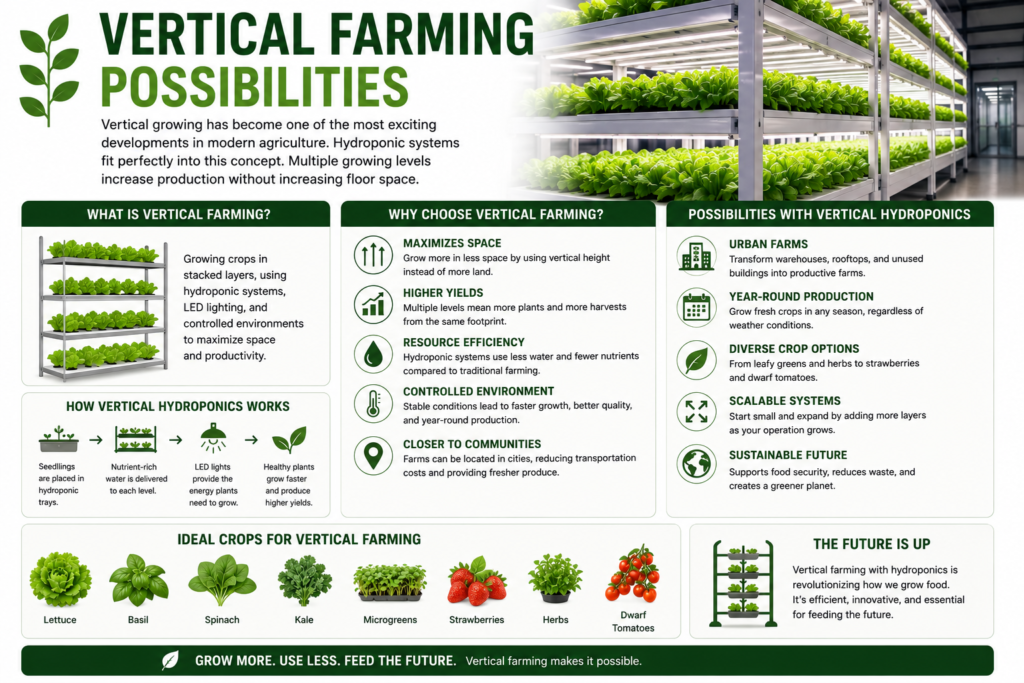
Vertical Farming Possibilities
Vertical growing has become one of the most exciting developments in modern agriculture. Hydroponic systems fit perfectly into this concept. Multiple growing levels increase production without increasing floor space.
This efficiency is attractive for both hobby growers and commercial farms. More plants in less space often means better overall productivity. You can enjoy fresh vegetables while making the most of every square foot.
Soil gardening remains a wonderful option for larger outdoor areas. However, hydroponics offers unique solutions when space is limited. This difference continues to drive interest in modern growing technologies.
Looking Beyond Initial Expenses
Many people focus only on startup costs when choosing a growing method. While initial expenses matter, long-term costs tell a more complete story.
Soil gardening usually requires a lower investment at the beginning. Basic tools, soil, seeds, and water may be enough to get started. This makes traditional gardening accessible for many beginners.
Hydroponic systems often require pumps, reservoirs, growing media, and lighting. These components can increase startup costs. At first glance, soil gardening may appear more affordable.
However, long-term expenses deserve careful consideration. Hydroponic systems can reduce water waste and improve production efficiency. Faster growth may lead to more harvests over time.
Balancing Cost and Productivity
Maintenance costs vary depending on system size and complexity. Hydroponic growers may purchase nutrient solutions and replacement equipment occasionally. Soil gardeners may spend money on fertilizers, soil amendments, and pest control products.
Productivity also affects overall value. A system that produces more food can offset higher operating costs. Many growers find that increased yields help justify the investment.
When evaluating Hydroponic Technology Systems vs Soil Gardening, there is no single answer for everyone. Your budget, goals, and available space all play important roles. Some growers prefer the simplicity of soil. Others appreciate the efficiency and control of hydroponics.
The good news is that both methods can produce healthy, delicious crops. By understanding growth speed, water use, space efficiency, and long-term costs, you can choose the approach that fits your gardening goals best.